Tattoo Pain Chart & Interactive Reference.
Everything you need to know before sitting in the tattoo chair: Explore our scientifically calibrated anatomical pain map, convert milestone dates into Roman stencils, inspect 30-day healing stages, and preview fonts with blowout guardrails.
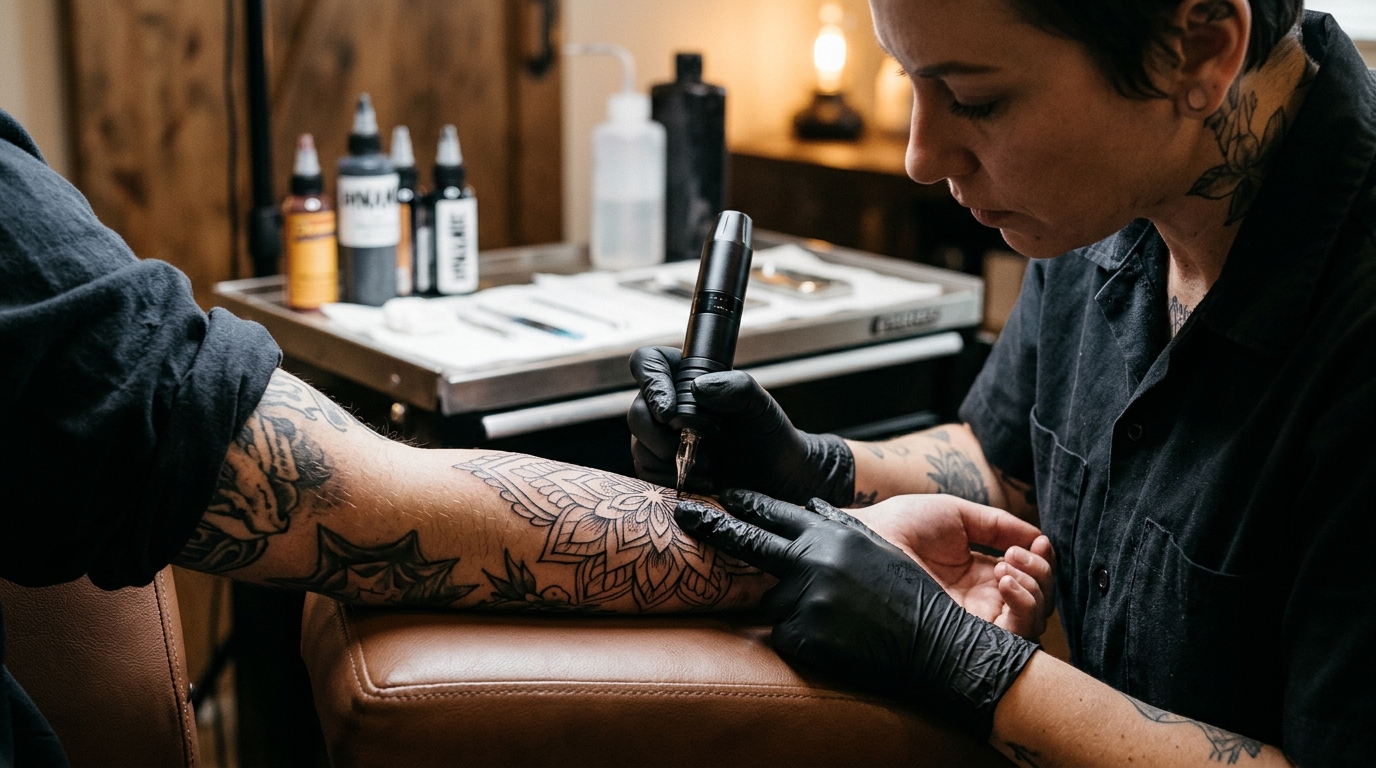
Calibrated dermis penetration at 110–130 Hz vibration frequency.
Interactive Anatomical Tattoo Pain Map
Toggle between Front and Back silhouettes. Click any body region to view exact calibrated pain scores and needle sensations.
Ribs & Ribcage
Pure white-hot searing agony; sharp scratching against exposed bone with every breath.
Hot scalpel sliding along ribs.
Brutal, raw sandpaper grind.
Extremely thin skin directly over intercostal nerves and rigid rib bones.
1–2 hours
What Are You Planning Today?
Interactive Anatomical Pain Map & 26-Zone Directory
Inspect calibrated 1–10 pain ratings, needle sensations (sharp liner vs. abrasive shader), bone vibration transfer, and biological differences between female and male thresholds.
The 8 Core Interactive Tattoo Tools
Engineered specifically for client preparation, dermatological accuracy, and lifelong body art satisfaction.
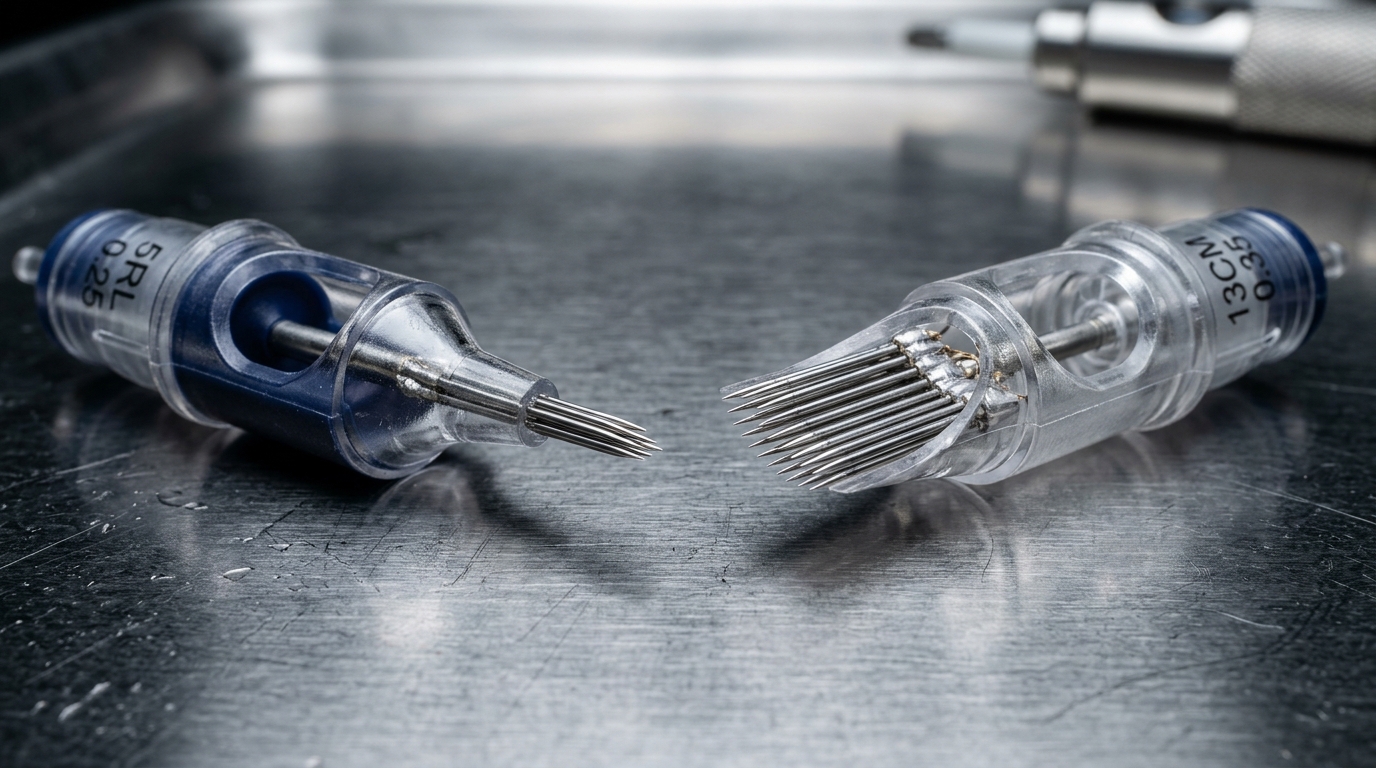
Tattoo Pain Map / Chart
Interactive front and back anatomical model with 20+ calibrated zones, needle sensation breakdowns, and sitting duration limits.
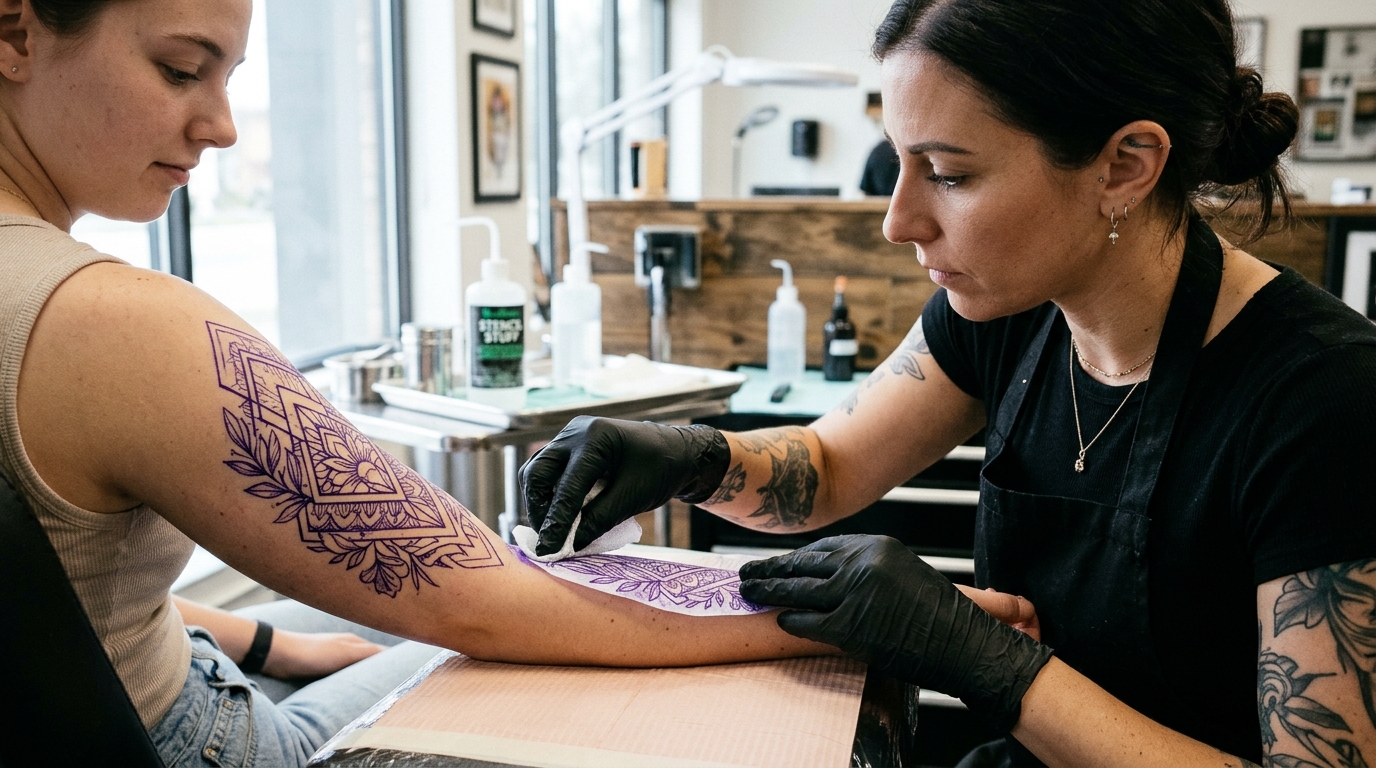
Body Placement & Tattoo Chart
Evaluate workplace concealability (the 3 visibility tiers), lifelong aging friction, and skin stretch vulnerability before stenciling.
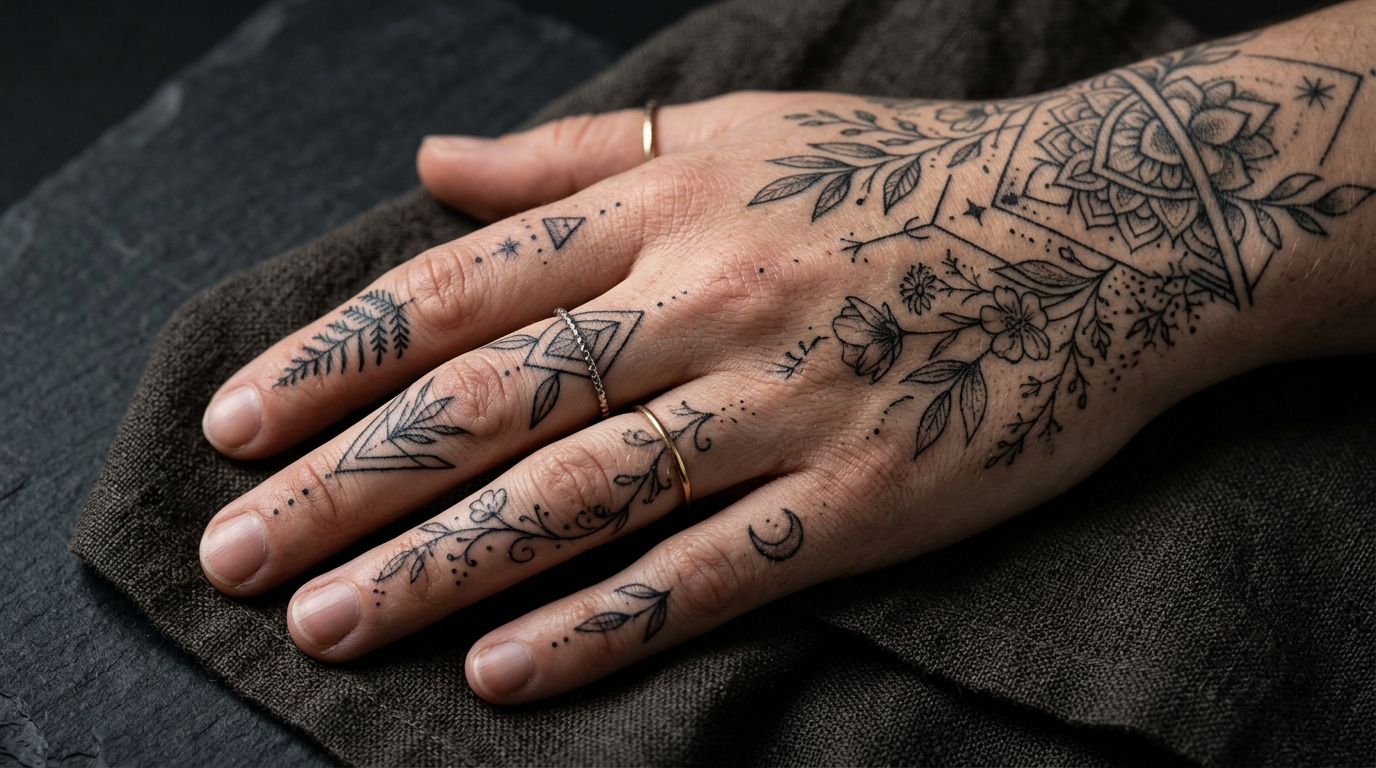
Date to Roman Numeral Generator
Convert milestone birthdates and anniversaries into verified Roman numeral stencils with Day/Month and Month/Day formats and thermal purple stencil mode.
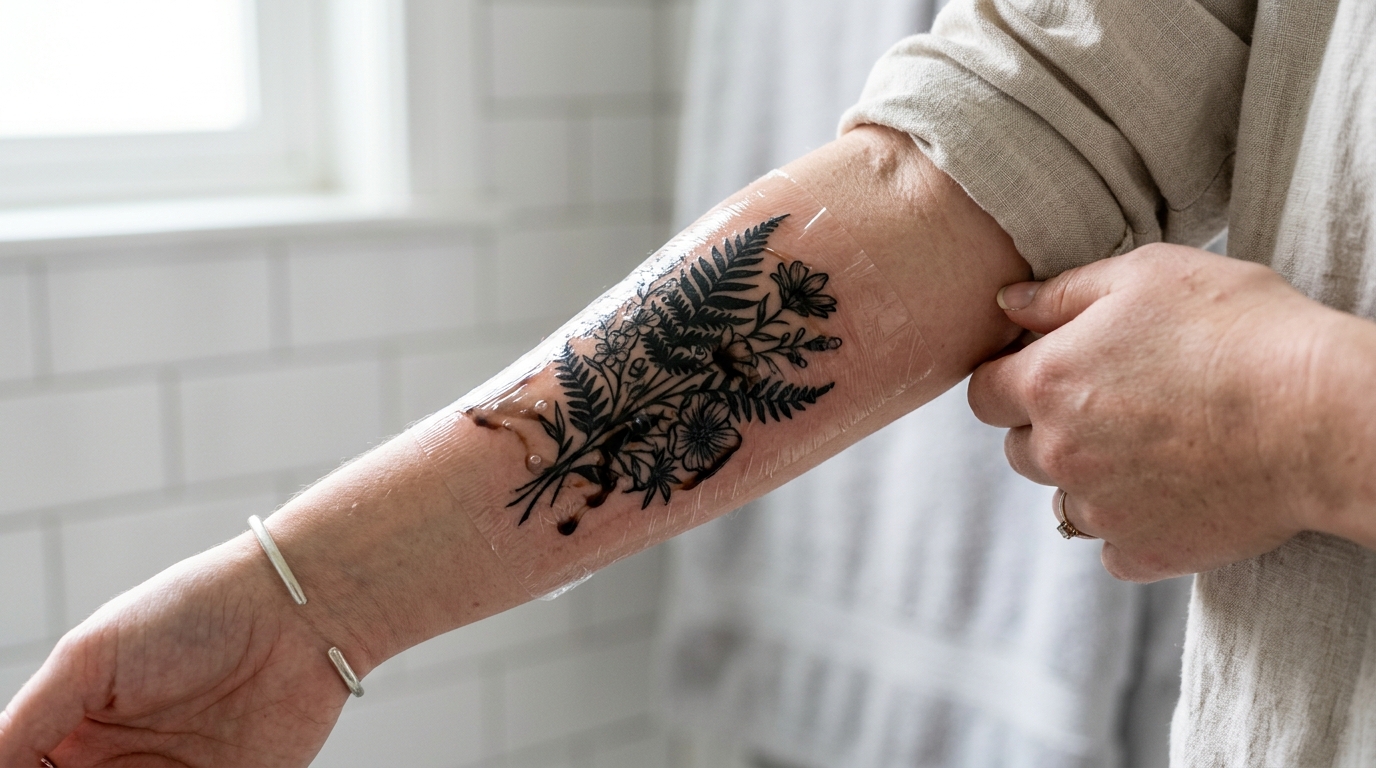
Healing Stages & Aftercare Chart
Day-by-day 30-day timeline with Saniderm vs. wrap switchers, the 4 biological healing stages, and an infection symptom diagnostic checker.
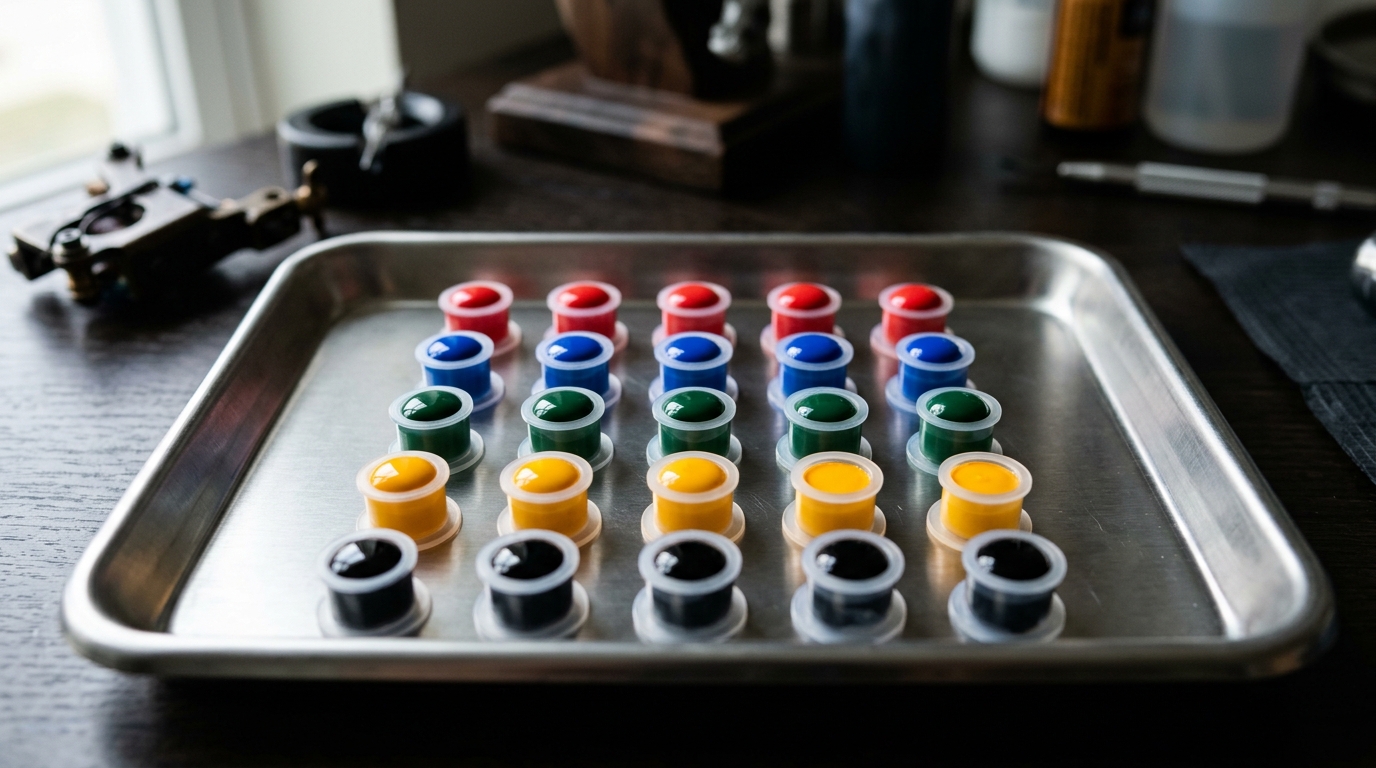
Color & Skin Tone Visualizer
Simulate how settled ink pigments interact beneath the epidermal melanin filter across Fitzpatrick phototypes I through VI.
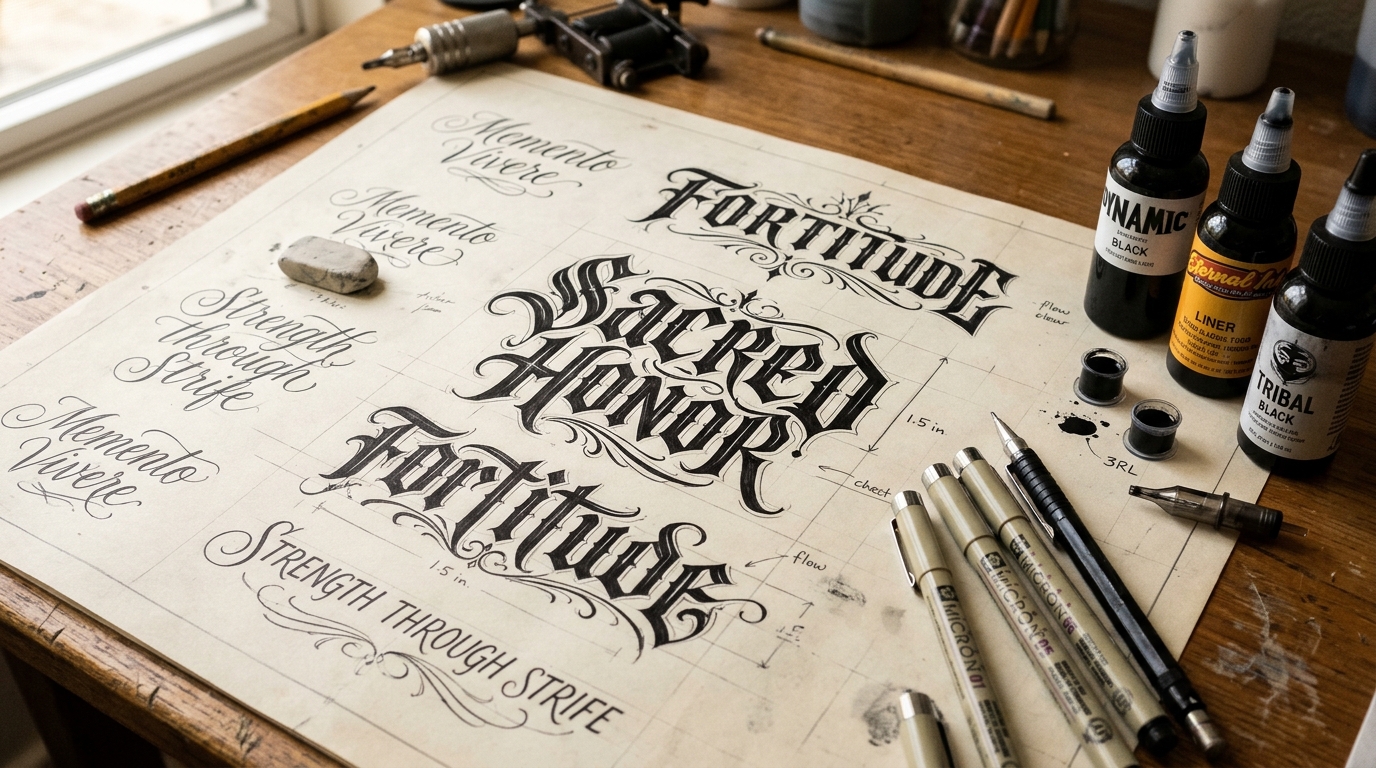
Tattoo Font / Text Generator
Preview quotes and names in 6 authentic tattoo font classes with physical size sliders and intelligent blowout & blur aging warnings.
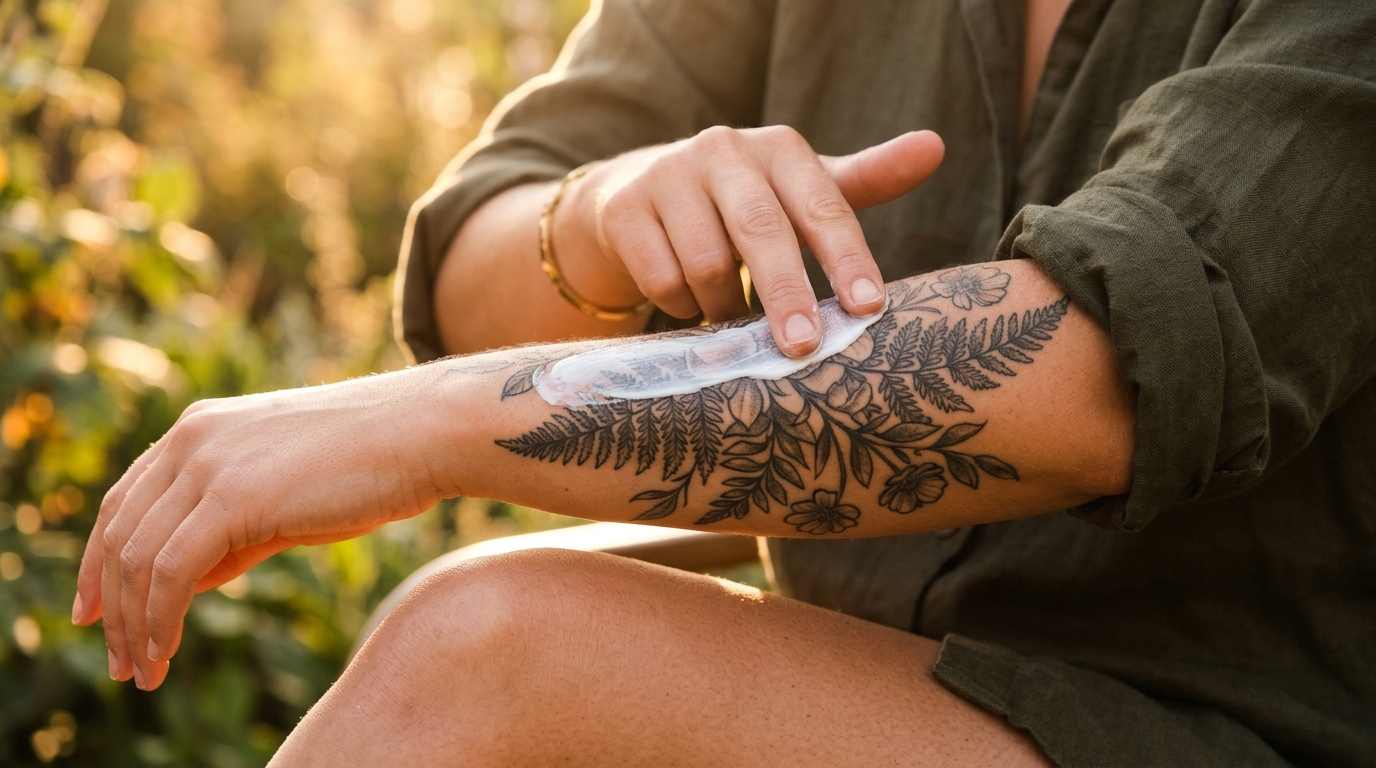
Cover-Up & Laser Removal Calculator
Check 3:1 surface ratio cover-up feasibility, and forecast Q-switch and picosecond laser sessions using the clinical Kirby-Desai Scale.
Will It Age Well? Tattoo Reality Checker
Simulate 25-year dermal ink spread (~0.05–0.1mm/yr), diagnose blowouts vs normal silver skin healing, and calculate UV fading risk.
The 5 Stages of Getting a Tattoo: Preparation to Healing
A tattoo is a permanent biological investment. Follow the clinical and artistic sequence recommended by professional studio artists to ensure anatomical placement, design longevity, and flawless lifetime healing.
Pain & Placement
Evaluate nerve density, bone proximity, and workplace concealability before committing to stencil placement.
Numerals & Stencils
Convert milestone dates into classical Roman numeral stencils with verified subtractive notation and zero-omission rules.
Fonts & Melanin
Test lettering against blowout thresholds and simulate pigment interaction across Fitzpatrick phototypes I through VI.
Chair Endurance
Prepare for the 3-hour adrenal wall with diaphragmatic breathing, hydration, and complex carbohydrate loading.
30-Day Healing
Navigate weeping, scabbing, peeling, and silver skin while distinguishing normal itching from clinical infection signs.
Tattoo Pain Leaderboard: Easiest vs. Most Agonizing Spots
Where does a tattoo hurt the least, and where does it test human biological endurance? Here is how the most common body zones rank on our scientifically grounded pain index.
Top 5 Easiest First Tattoo Placements
Thick muscle buffer over deltoid; low sensory receptor count. Universal #1 beginner spot.
Resilient skin texture and moderate muscle padding. Easily endures 4–5 hour sittings.
Deep adipose tissue and muscle cushion eliminate bare bone vibration transfer.
Expansive flat canvas with heavy quadriceps padding. Highly forgiving for large pieces.
Slightly more sensitive than the outer arm, but universally tolerated by first-timers.
Top 5 Most Excruciating Zones
Massive lymph node clusters and brachial plexus nerves. Blinding electric shock sensation.
Paper-thin skin directly over intercostal nerves and bone. Agonizing with every respiratory breath.
Direct central nervous system conduit; intense shockwave vibrations resonate across torso.
Highest concentration of tactile touch corpuscles in human anatomy. Triggers violent twitch reflexes.
Bursa sacs, zero fat, hypersensitive joint nerve beds, and continuous skin flex.
Dermal Depth Anatomy: Why 1.5mm Is the "Goldilocks Zone"
A tattoo is only permanent if pigment particles are suspended at the exact biological depth. Penetrating too shallow causes immediate fading; penetrating too deep causes irreversible blurred ink blowouts.
Stratum corneum sheds cells every 28 days. Pigment deposited here flakes away completely during week 2 of peeling.
Dense collagen matrix. Macrophages permanently engulf ink particles, preventing migration. Crisp, lifetime linework.
Loose adipose lipid tissue with no structural barrier. Ink bleeds horizontally, creating permanent gray/blue ink halos.
What Causes a Tattoo "Blowout"?Irreversible
A blowout is not an infection or poor healing—it is a mechanical depth error. When an inexperienced artist angles the machine too steep or pushes needles deeper than 2.5mm, the needle breaches the dermal boundary into subcutaneous fat. Loose lipid cells lack structural collagen to trap ink, allowing pigment to pool into a permanent blurred halo.
Why Typography Height Matters ("Bold Will Hold")
Over 10 to 20 years, settled dermal ink naturally diffuses horizontally by ~0.05mm per year as macrophages turn over. Script fonts with lettering under 12mm height often lose all internal negative space (the loops in 'e', 'a', 'o'), coalescing into an illegible solid dark line. Our Tattoo Font Generator includes automatic blowout guardrails to prevent this.
Biological Realities Every Client Should Know
The "3-Hour Wall"
During the first 2 hours, your adrenal system floods the bloodstream with natural endorphins to suppress pain. By hour 4, this hormonal buffer depletes completely, causing sharp localized pain spikes. Plan multi-hour pieces in spaced sittings.
"Bold Will Hold"
Ink spreads naturally in the dermis by ~0.05 to 0.1 mm per year. Intricate micro-tattoos with razor-thin negative space often blur into dark spots after 10 years. Bold outlines and generous open skin ensure lifelong legibility.
Your Stencil Veto Right
A tattoo stencil is 100% temporary until the needle enters skin. Professional studios expect you to check alignment in a full mirror, verify dates and spelling, and ask to reposition until the placement is anatomically flawless.
Tattoo Appointment Checklist: 24 Hours Before to Day 1
A smooth tattoo session depends 50% on the artist’s technical skill and 50% on the client’s physiological preparation. Check off these essential steps to prevent fainting, excess bleeding, and ink rejection.
Preparation & Hydration
Fuel & Studio Attire
Endurance & Breaths
Protection & Rest
Non-Medical Educational Advisory
The information, pain ratings, and aftercare timelines provided on TattooChart are for educational reference and client preparation only. They do not constitute formal medical or dermatological advice. Individual biology, immune response, and nerve anatomy vary widely. Always follow the specific aftercare protocols issued by your licensed tattoo artist, and seek immediate professional medical attention if you exhibit signs of infection (e.g., spreading heat, red streaks radiating from the tattoo, yellow pus, or fever).
Frequently Asked Tattoo Questions
Essential answers to what first-timers and tattoo collectors ask most.
How do I know where a tattoo will hurt the most?
Tattoo pain is dictated by biological mechanics: sensory nerve receptor density, periosteum bone proximity, and skin thinness. Zones like the ribs, spine, sternum, armpits, and groin score 9.5 to 10/10 because needles strike paper-thin skin directly over bone and major nerve centers. Conversely, outer biceps and thighs have thick muscle cushions that absorb vibrations (2 to 3.5/10).
Where is the least painful place for a beginner's first tattoo?
The outer bicep, outer forearm, glutes, and outer thigh are universally recognized as the least painful placements (scoring 2.0 to 3.5 out of 10). These anatomical zones feature thick subcutaneous muscle padding, dense collagen barriers, and low sensory receptor concentrations, allowing beginners to easily endure 4-to-5 hour sittings.
What is TattooChart.com?
TattooChart.com is the authoritative, peer-grounded editorial reference and interactive engineering suite for tattoo collectors and artists. We provide free, scientifically calibrated interactive tools covering pain maps, body placement, 30-day clinical healing stages, milestone date Roman numeral converters, Fitzpatrick skin tone melanin simulators, and blowout-safe font generators.
What causes a tattoo blowout, and can it be corrected?
A blowout occurs when an artist penetrates deeper than the 1.5mm–2.0mm dermal target boundary into subcutaneous fat. Because lipid tissue has no dense collagen matrix to hold ink particles, pigment migrates uncontrollably in a horizontal direction, creating a permanent bluish-gray blurred halo. While blowouts cannot be washed out, they can be corrected via expert dark cover-ups or targeted Q-switched/picosecond laser removal.
Are the tools and generators on TattooChart completely free?
Yes! All 8 interactive reference tools, body charts, and typography generators on TattooChart are 100% free to use with zero registration, paywalls, or personal data collection.
How do you accurately write a tattoo date in Roman numerals?
Tattoo date designs adhere to classical subtractive notation (IV for 4, IX for 9, XL for 40, XC for 90, CD for 400, CM for 900) and completely omit leading zeros (e.g., May 8th is V • VIII). Our Roman Numeral Generator supports both International (DD • MM • YYYY) and US formats with violet thermal transfer stencil preview.
Why does tattoo ink look softer after 30 days of healing?
Tattoo ink is injected into the dermis. Over the first month, your outer skin layer (the epidermis) sheds and regenerates completely above the ink. The new epidermis contains your natural melanin, which acts like a tinted glass filter over the settled pigment.